In fast-paced warehouse, logistics, and manufacturing environments, downtime isn’t just inconvenient, it’s expensive. Every minute a forklift or sideloader is out of action can disrupt operations, delay deliveries and impact your bottom line. When demand cannot be met, it can damage customer relationships and lead to lost business, as well as additional costs such as lost orders, price reductions due to delays, increased storage expenses, and follow-up costs including contractual penalties or compensation.
For businesses handling long, bulky, or complex loads, the stakes are even higher. Specialised equipment such as multidirectional forklifts and sideloaders plays a critical role in maintaining efficient workflows. That’s why smarter equipment servicing isn’t optional, it’s essential.
Why Downtime is a Bigger Problem Than You Think
In materials handling operations, equipment reliability directly affects productivity. When machines fail unexpectedly, businesses face:
- Lost operational time
- Delayed order fulfilment
- Increased labour costs
- Potential safety risks
For companies relying on purpose-built machinery, equipment failure can halt entire sections of a warehouse. HUBTEX Australia specialises in these environments, where precision and uptime are critical.
The Shift from Reactive to Proactive Servicing
Traditional maintenance models often rely on reactive servicing, fixing equipment only after it breaks down. While this approach may seem cost-effective in the short term, it almost always leads to higher long-term costs and more frequent disruptions.
Smarter servicing flips the model:
1. Preventative Maintenance
Regular inspections and scheduled servicing help identify wear and tear before it leads to failure. This is especially important for equipment operating under heavy loads or in tight spaces.
2. Predictive Maintenance
Modern equipment increasingly uses data to predict faults before they occur. For example, advanced machines can monitor battery health, fault codes, and performance metrics in real time.
Some systems even enable remote diagnostics, allowing technicians to access machine data instantly and resolve issues faster, reducing downtime significantly.
The Role of Smarter Equipment Design
Not all material handling equipment is created equal. Machines designed with servicing in mind can dramatically reduce downtime.
Purpose-Built Equipment Means Fewer Failures
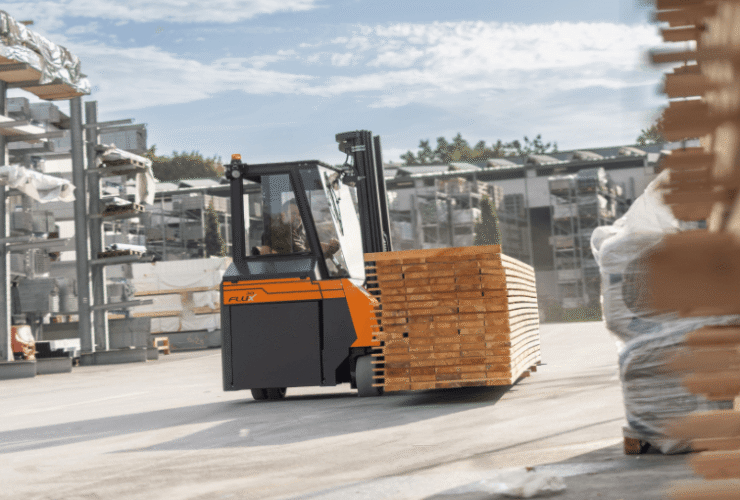
HUBTEX equipment is engineered specifically for handling long, heavy, and awkward loads, tasks that conventional forklifts often struggle with.
Because these machines are tailored to the application:
- Components experience less strain
- Movements are more efficient
- Wear and tear is reduced
The result is longer service intervals and fewer unexpected breakdowns.
Enhanced Manoeuvrability Reduces Stress
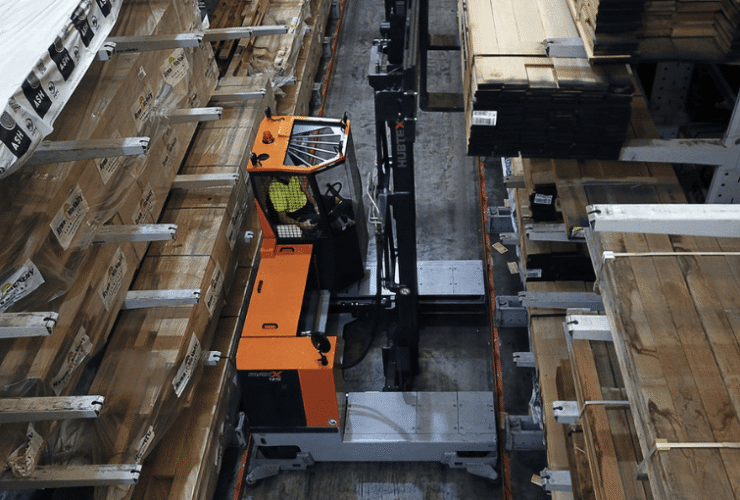
Multidirectional steering systems allow forklifts to move sideways, diagonally, and in tight spaces with ease. This reduces unnecessary movements and mechanical strain, helping extend equipment lifespan.
Minimising Downtime with Smart Service Strategies
To truly cut downtime, businesses need a combination of the right equipment and the right servicing approach.
Keep Spare Parts and Expertise Close
Working with a specialist provider ensures access to:
- Genuine spare parts
- Skilled technicians
- Faster repair turnaround
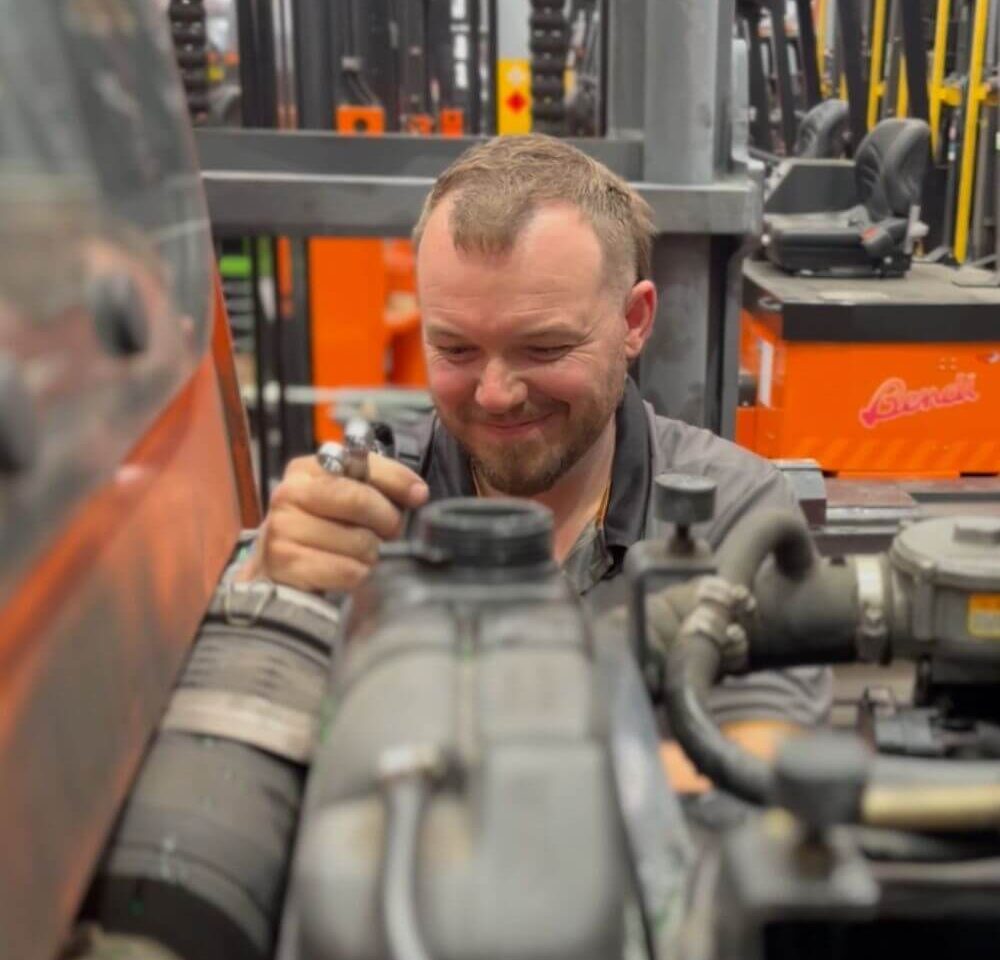
HUBTEX Australia supports customers with dedicated service teams and technical expertise tailored to complex materials handling equipment. As specialists in this field, our engineers can satisfy all of our customers’ individual needs and requirements, covering both planned and emergency maintenance with an industry-leading first-time fix rate.
Consider Rental or Backup Equipment
Even with the best servicing strategy, unexpected issues can arise. Having access to rental or standby machines ensures operations continue uninterrupted.
HUBTEX offers flexible hire or lease solutions, including standby units, specifically to minimise downtime during repairs or peak demand periods.
Train Operators Properly
Incorrect usage is one of the leading causes of equipment failure. Investing in operator training ensures:
- Safer handling
- Reduced wear on machinery
- Fewer avoidable breakdowns
The Bigger Picture: Efficiency, Safety, and Cost Savings
Reducing downtime isn’t just about keeping machines running, it’s about improving the entire operation.
Smarter servicing leads to:
- Higher equipment availability
- Improved workplace safety
- Lower total cost of ownership
- Greater operational efficiency
In environments where space is tight and loads are complex, even small improvements in uptime can have a significant impact on productivity.
Final Thoughts
Downtime is inevitable but excessive downtime isn’t. By combining proactive servicing, intelligent equipment design, and the right support partner, businesses can dramatically reduce disruptions and keep operations moving.
For organisations handling long or bulky loads, investing in smarter servicing isn’t just a maintenance decision it’s a strategic advantage.
Get in touch with our expert team today to see how we can support you.