When your business handles long loads, heavy materials, or operates in tight warehouse aisles, sideloader forklifts can seem like the perfect solution. But before investing in a specialised sideloader, it’s important to weigh the benefits and considerations carefully.
At HUBTEX Australia, we specialise in purpose-built sideloaders designed to maximise efficiency in narrow aisles and handle long, bulky goods safely. Here’s a guide to help you determine if a sideloader is the right fit for your warehouse operations.
Advantages of Sideloaders for Warehouse Operations
Optimised Space Utilisation
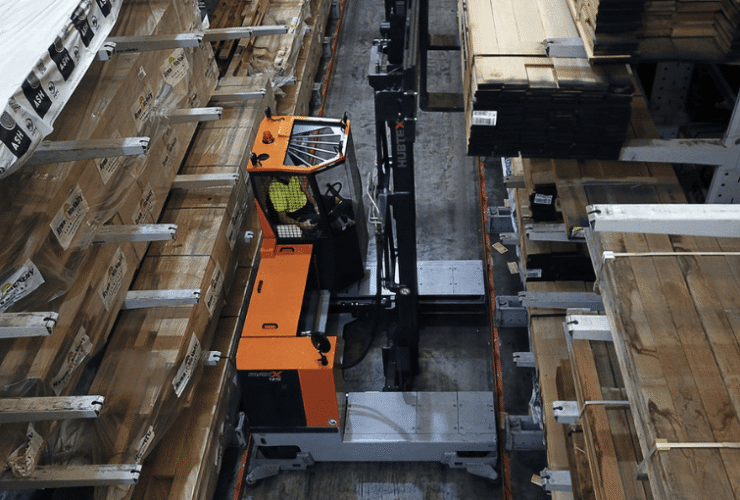
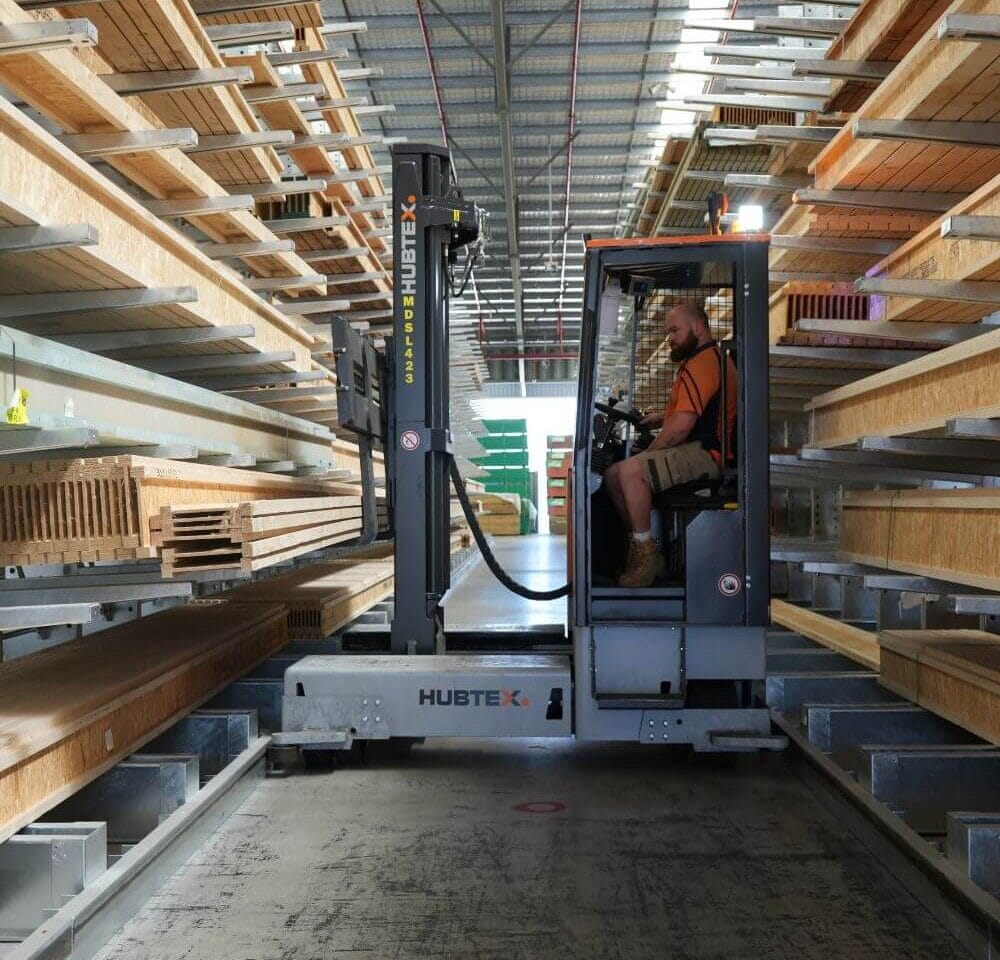
One of the biggest benefits of a sideloader forklift is the ability to reduce aisle widths while increasing storage capacity. Our machines allow you to fit more racking rows into the same warehouse footprint—sometimes doubling storage capacity compared to conventional forklifts. For businesses running out of space, a sideloader may be a more cost-effective solution than moving to a larger facility.
Efficient Handling of Long and Bulky Loads
If your warehouse regularly moves timber lengths, steel tubes, or other oversized materials, a sideloader offers significant advantages. Its sideways pick-up capability reduces manoeuvring, improves load alignment, and minimises damage to goods.
Improved Manoeuvrability in Narrow Aisles
Multidirectional sideloaders provide advanced steering systems that allow movement forward, backward, sideways, and even diagonally. This makes them ideal for constrained warehouse layouts where conventional forklifts struggle.
Enhanced Safety and Reduced Damage
Sideloaders align with the load more naturally, reducing awkward handling and the risk of collisions with racking or fixtures. Improved visibility and dedicated steering systems also contribute to safer warehouse operations.
Versatility for Indoor and Outdoor Use
Many sideloaders are suitable for both indoor racking and outdoor storage areas. Using a single machine across multiple environments saves costs and improves operational efficiency.
Potential Drawbacks of Sideloaders to Consider
Higher Initial Investment
Sideloaders are specialised machines and usually come at a higher upfront cost than standard forklifts. This reflects the advanced steering systems, sideways loading capability, and customisation options.
Requirement for Proper Aisle and Floor Conditions
To operate safely, sideloaders need even flooring, well-aligned racking, and adequate aisle conditions. Poor conditions can reduce efficiency and increase maintenance needs.
Specialised Training for Operators
Operating a multidirectional sideloader requires additional training. Understanding sideways loading, narrow-aisle navigation, and advanced steering is essential to maximise performance and safety.
Maintenance and Spare Parts
Sideloaders are more specialised than standard forklifts, so maintenance may require trained technicians and original spare parts. At HUBTEX Australia, our engineers provide both planned and emergency maintenance to minimise downtime.
Not Always Ideal for Standard Loads
If your warehouse primarily handles standard pallets or boxes, the advantages of a sideloader may not justify the cost. In these cases, a conventional forklift or reach truck might be sufficient.
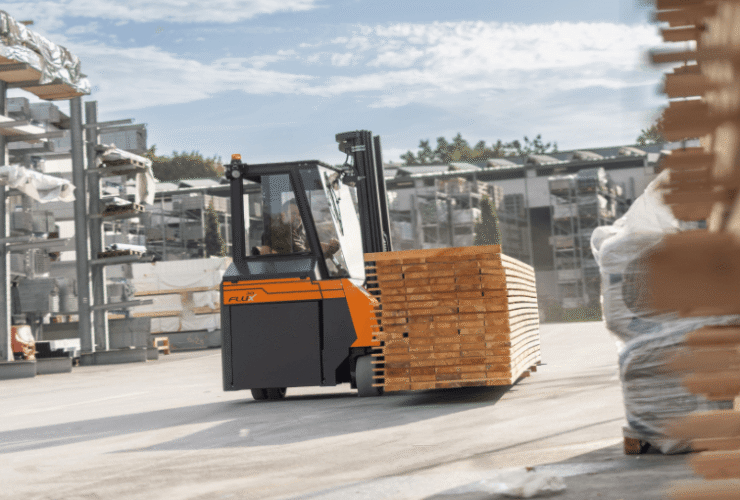
For businesses needing to handle both standard and long loads, we developed the FluX Multidirectional forklift. Perfect for indoor and outdoor use, it is more manoeuvrable, efficient, and user-friendly than any other 3-wheel multi directional forklift.
Is a Sideloader Forklift Right for Your Business?
If your warehouse handles long or bulky materials, has a constrained layout, and needs to maximise space and handling efficiency, a sideloader is likely to deliver strong benefits.
Explore our range of sideloaders or contact one of our HUBTEX Australia experts today to find the ideal sideloading forklift for your operations.