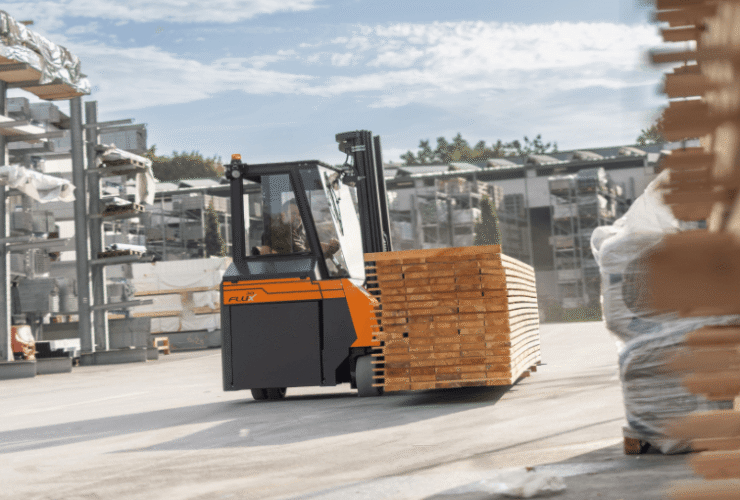
Setting up a new warehouse is a major investment and the decisions made during the planning stage can have a long-term impact on efficiency, productivity, and operating costs. From warehouse layout and storage systems to equipment and safety planning, every detail plays a role in how effectively the operation will perform.
Rather than adapting around limitations later, careful planning at the beginning can help create a warehouse that supports long-term growth, productivity and cost control.
This checklist outlines the key areas businesses should consider when designing a new warehouse for maximum efficiency and long-term operational success.
Space and Layout Planning
The warehouse layout forms the foundation of operational efficiency.
When planning your new warehouse, consider:
- Designing aisles around your storage requirements
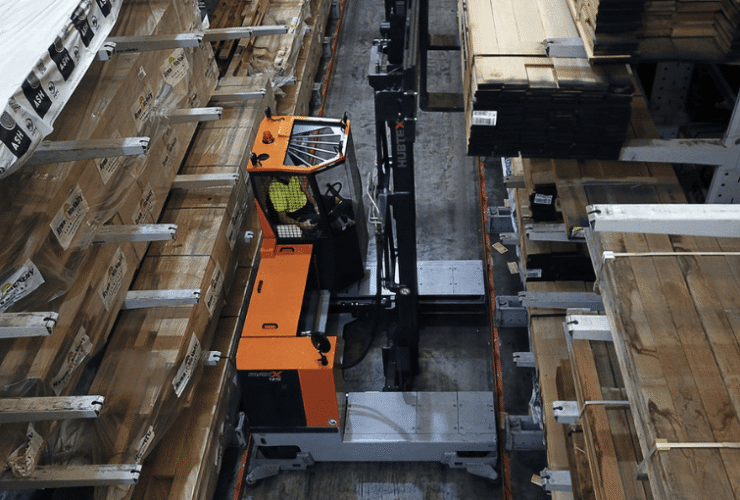
- Using narrow aisle systems to maximise pallet capacity
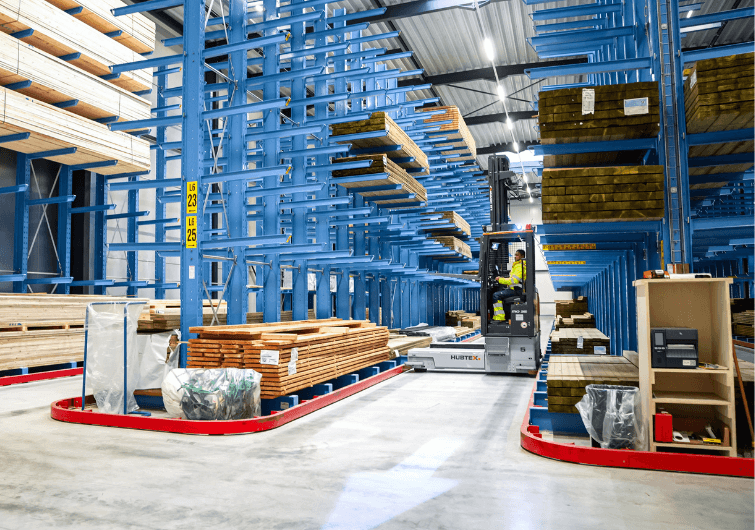
- Making full use of vertical storage space
- Ensuring pathways suit your chosen forklifts and handling equipment
- Planning for future growth and seasonal demand fluctuations
A well-designed layout helps reduce wasted movement and ensures the warehouse remains scalable as operations expand.
Pallet Storage & Product Flow
Efficient material flow is essential for maintaining productivity.
Key questions include:
- Are storage locations optimised for fast-moving products?
- Can pallet handling routes minimise unnecessary travel time?
- Is there a clear strategy for managing slow-moving inventory?
- Have you planned for efficient inbound and outbound goods movement?
Good warehouse flow reduces congestion and improves overall operational speed.
Choosing the Right Equipment
Selecting the correct handling equipment early on can prevent costly inefficiencies later.
Consider:
- Whether your equipment matches aisle widths and load requirements
- If LPG or electric machines are better suited to your operation
- Whether specialist equipment is needed for heavy, bulky, or irregular loads
- The total cost of ownership, including servicing and maintenance
Electric machines are becoming increasingly popular for indoor operations due to lower running costs and reduced emissions.
Product Protection & Warehouse Safety
Safety and product protection should be built into the warehouse from the beginning.
Your warehouse design should include:
- Layouts that minimise handling damage
- Appropriate storage systems for fragile or irregular products
- Regular safety inspection procedures
- Safe traffic management for operators and machinery
A proactive safety approach helps reduce accidents, downtime and product losses.
Future Optimisation Opportunities
A modern warehouse should be designed with flexibility in mind.
Future-proofing considerations may include:
- Allowing for increased storage density
- Supporting future automation upgrades
- Planning for different equipment fuel types
- Building adaptable storage systems
- Incorporating operator ergonomics and training programmes
Warehouses that are designed for flexibility are far better positioned to adapt to changing operational demands.
Final Thoughts
A successful warehouse setup is about more than simply filling a space with racking and equipment. The decisions made during the planning stage will directly impact efficiency, productivity, safety, and long-term operating costs. By carefully considering layout design, product flow, equipment selection, and future scalability from the outset, businesses can create a warehouse environment that supports both current operations and future growth.
Investing time in proper warehouse planning now helps reduce inefficiencies later, allowing your operation to remain flexible, cost-effective, and capable of adapting to changing business demands.
Contact us today to see how our solutions could optimise your warehouse!