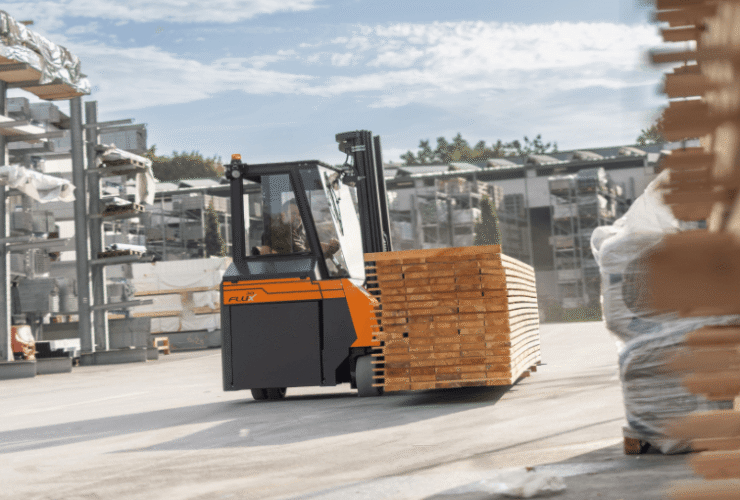
Warehouse space is becoming more expensive across Australia and operating costs continue to climb. For many businesses, the solution is not moving to a larger facility, it is making better use of the space and equipment they already have. Warehouse optimisation can improve storage capacity, reduce handling times, lower fuel and maintenance costs, and create a safer, more productive environment for operators.
Many warehouses operate with layouts and equipment choices that were suitable years ago but no longer match current demand, storage requirements or operating costs.
By reviewing your warehouse setup regularly, you may uncover opportunities to:
- Increase pallet storage capacity
- Reduce operator travel time
- Improve handling efficiency
- Lower equipment running costs
- Minimise product damage
- Reduce maintenance downtime
Here’s a checklist to help assess whether your warehouse is operating at its full potential.
Space and Layout
Your warehouse layout has a direct impact on storage density and operational efficiency.
Ask yourself:
- Are your aisles optimised for your storage requirements?
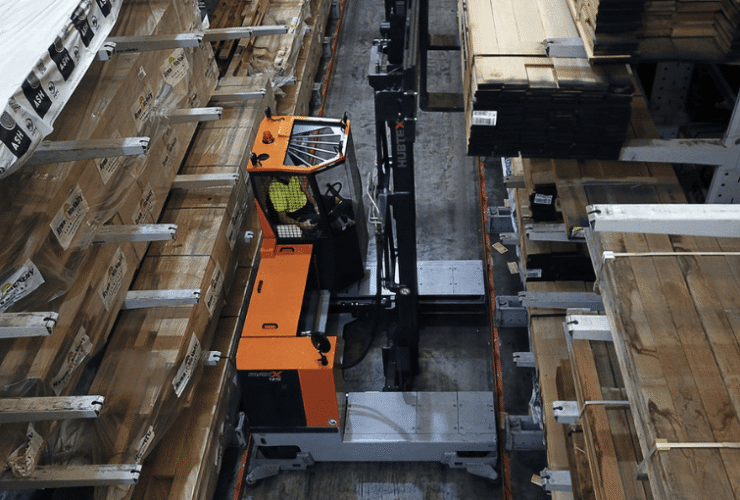
- Could narrow aisle solutions increase pallet locations without expanding the building footprint?
- Is there unused vertical space that could safely accommodate higher racking?
- Are pathways clear and easy to navigate?
- Are there areas of congestion slowing down productivity?
Efficient use of both floor space and vertical storage can significantly improve warehouse capacity without the cost of relocation or expansion.
Pallet Storage & Turnover
Poor pallet flow can create unnecessary handling, delays, and wasted labour time.
Consider the following:
- Are pallets easily accessible to minimise handling time?
- Are fast-moving products stored in the most accessible locations?
- Are slow-moving items occupying valuable prime storage space?
- Could reorganising stock locations reduce travel time for operators?
- Are pallet turnover rates monitored and reviewed regularly?
Optimising product placement can improve picking efficiency and reduce unnecessary machine movement throughout the warehouse.
Equipment & Material Handling
Your handling equipment should match both your warehouse layout and your operational requirements.
Review whether:
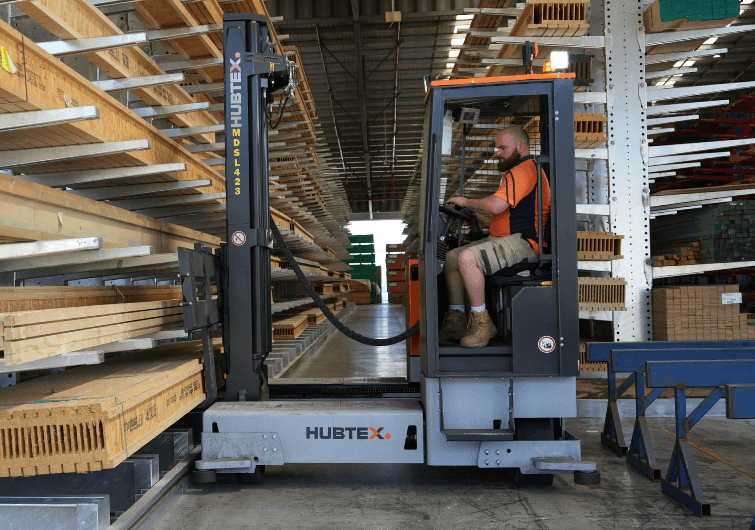
- Your forklifts or sideloaders are suitable for your aisle widths and load types
- Existing equipment is creating operational bottlenecks
- Operators frequently need to adjust loads or equipment positioning
- Machines are becoming increasingly expensive to maintain
- Equipment downtime is impacting productivity
It’s also worth reviewing your fuel strategy. With fuel prices rising, many businesses are now moving towards electric equipment to reduce running costs and improve energy efficiency.
For some operations, upgrading older machinery can reduce overall ownership costs when compared with ongoing repairs and maintenance
Product Protection & Safety
Warehouse efficiency should never come at the expense of safety or product protection.
Key areas to assess include:
- Whether product damage during handling or storage is being minimised
- If fragile or irregular loads are handled using the correct equipment
- Whether pallets and racking systems are inspected regularly
- If operators have the right training for specialist handling tasks
Reducing product damage not only lowers costs but also improves operational reliability and customer satisfaction.
Warehouse Optimisation Opportunities
If your warehouse is showing signs of inefficiency, there are several areas worth exploring.
Potential improvements may include:
- Introducing narrow aisle or multi-directional trucks to increase storage density
- Reorganising pallet storage to improve stock turnover
- Auditing warehouse traffic flow to reduce travel bottlenecks
- Upgrading to newer electric or LPG forklifts with lower operating costs
- Investing in operator training and equipment matching
Even relatively small operational changes can lead to measurable gains in productivity and cost savings over time.
Final Thoughts
Warehouse optimisation isn’t only about increasing storage space, it’s about creating a more efficient, productive and cost-effective operation.
Our national team of space-saving experts are on hand to offer advice on racking and storage systems for warehouse, distribution and manufacturing operations throughout Australia. We provide comprehensive industrial warehouse design and layout planning services, including site layout diagrams and storage capacity calculations.
Contact us today to see how our solutions could optimise your warehouse!